Ancient Capital of Six Dynasties

Nanjing

南京

Where 2,500 years of imperial history unfold along tree-lined avenues, ancient city walls, and the gentle flow of the Qinhuai River.

Explore

A City Carved by Time

Nanjing stands as one of China's Four Great Ancient Capitals, having served as the seat of power for six dynasties over more than two millennia. Its name, meaning "Southern Capital," has echoed through centuries of triumph and transformation — from the glory of the Ming Dynasty to its role as the capital of the Republic of China.

Today, the city carries its history with quiet dignity. Ancient walls encircle a modern metropolis. Temple bells ring above bustling night markets. The plane trees planted along Zhongshan Road a century ago still cast their shade over a city that honors its past while reaching toward the future.

2,500+
Years of history
6
Ancient dynasties
9.3M
Residents today
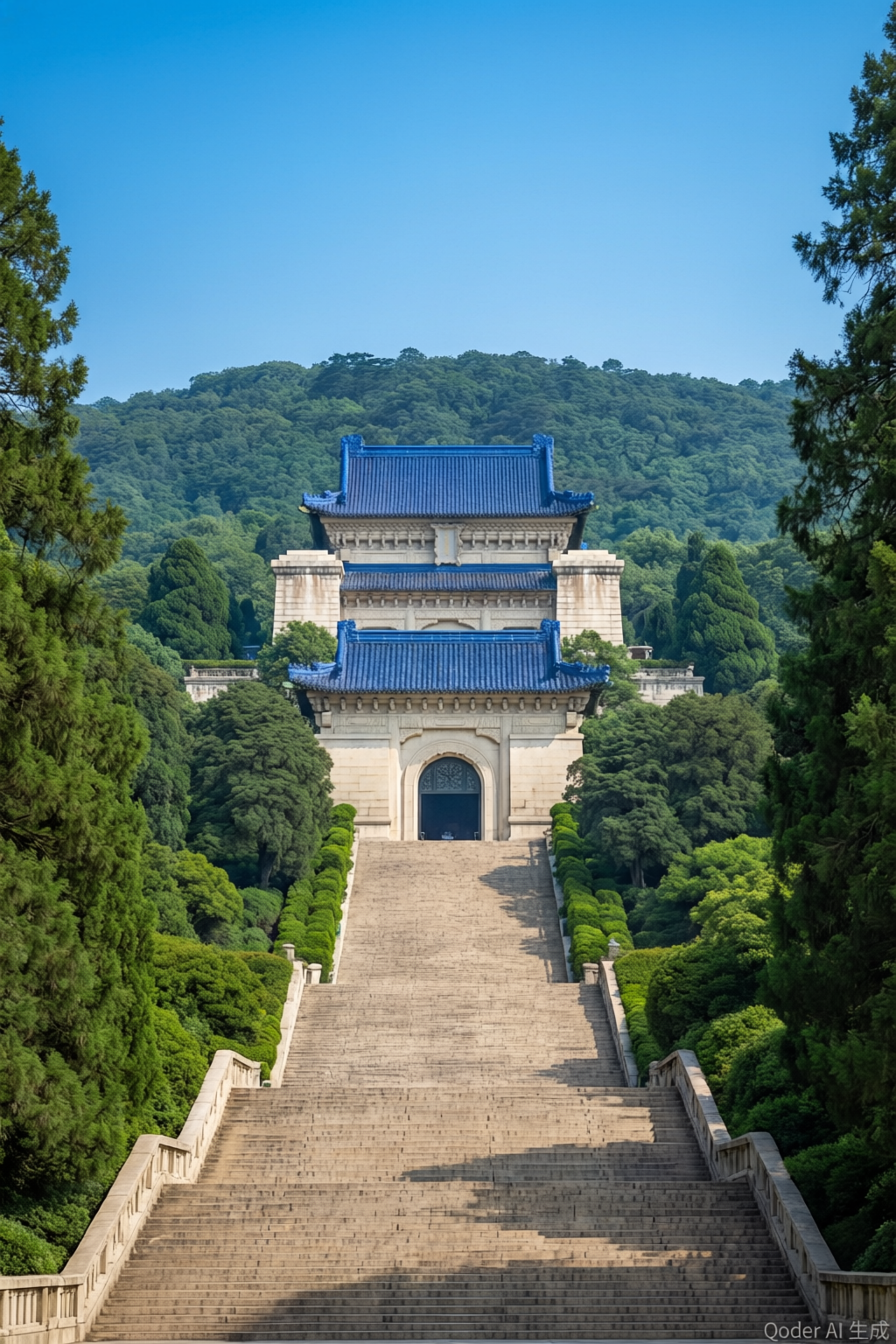
Sun Yat-sen Mausoleum on Purple Mountain, Nanjing
Sun Yat-sen Mausoleum, Purple Mountain
Places That Shaped History

From imperial tombs nestled in forested mountains to lantern-lit riverside quarters, Nanjing's landmarks tell the story of a civilization.

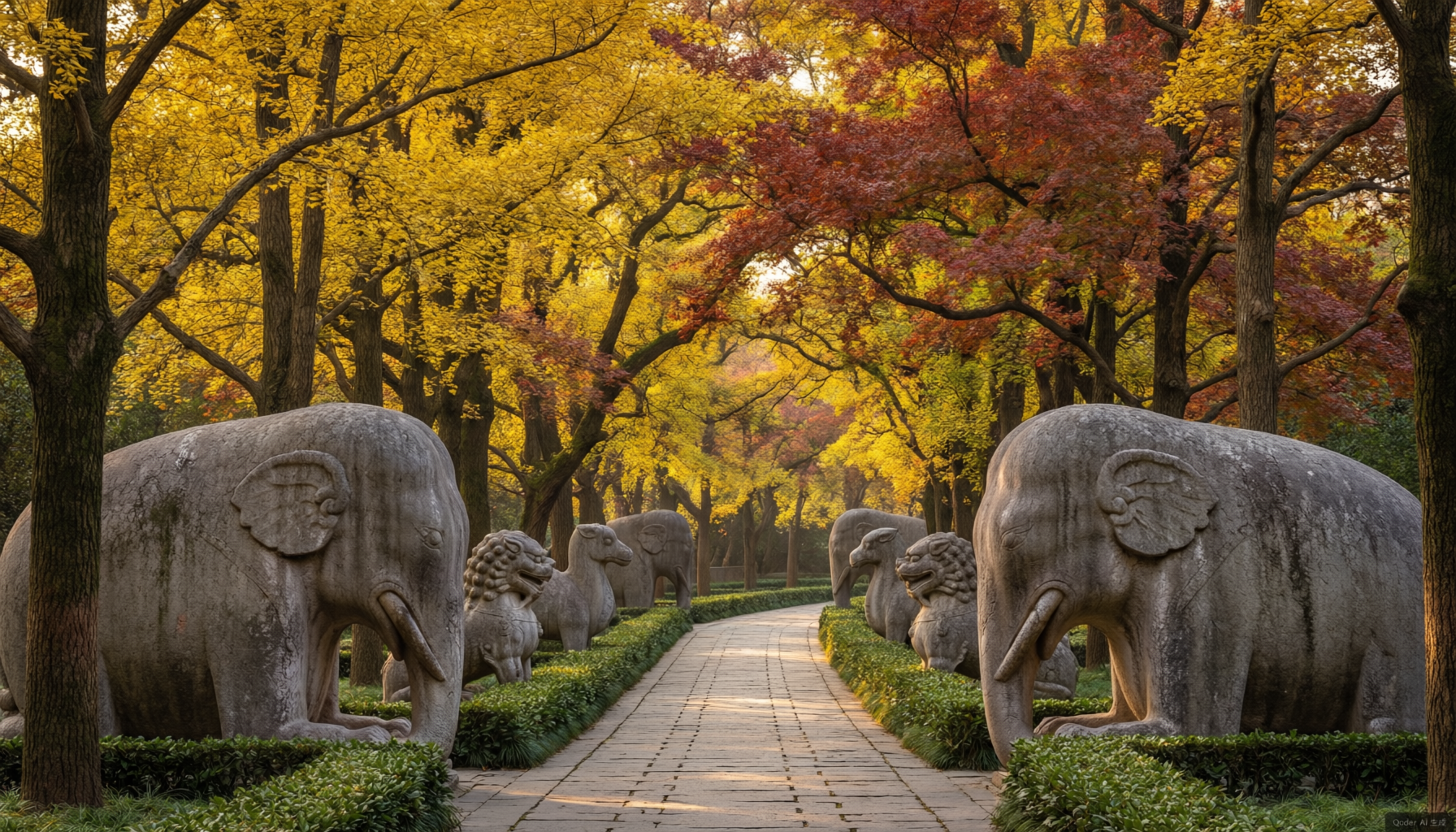
Sacred Way at Ming Xiaoling Mausoleum

Ming Xiaoling Mausoleum

明孝陵

The tomb of the Hongwu Emperor, founder of the Ming Dynasty. The Sacred Way — lined with stone elephants, lions, and camels — passes through a cathedral of autumn color as ancient trees arch overhead. A UNESCO World Heritage Site since 2003.

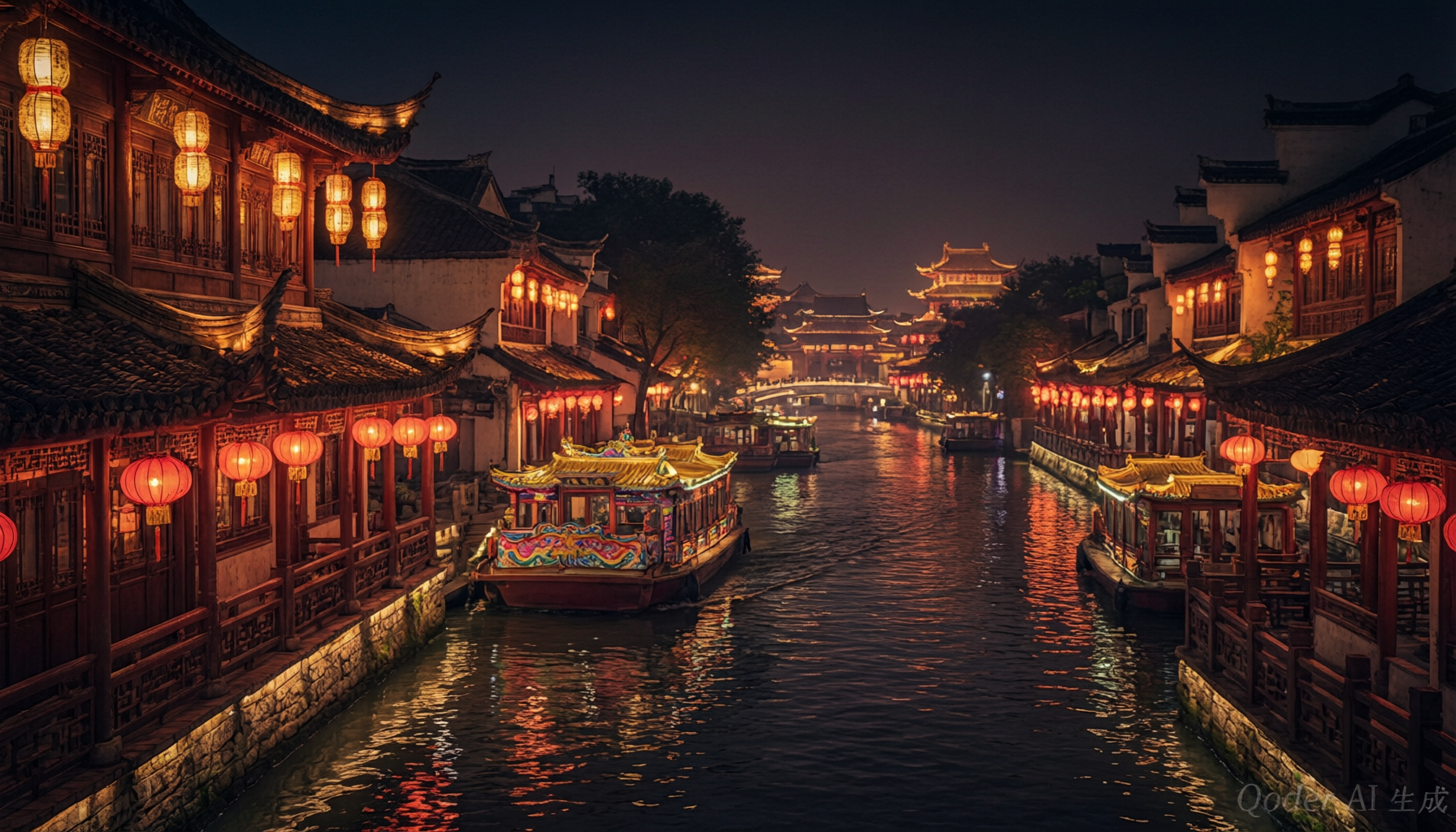
Qinhuai River at night with traditional lanterns

Qinhuai River

秦淮河

The cultural heart of Nanjing for over a thousand years. Painted boats drift past illuminated Confucian temples as lanterns reflect off the water on moonlit evenings.

City Wall

南京城墙

The longest ancient city wall in the world, stretching 35 kilometers. Built in the 14th century, it remains remarkably walkable — an elevated path through the city's living memory.

Xuanwu Lake

玄武湖

A serene lake framed by the City Wall and Purple Mountain. Locals gather for morning tai chi, lotus blooms fill the summer water, and willow trees trace the shoreline.

Traditional Nanjing culture along the Qinhuai River

Traditions That Endure

Nanjing Yunjin Brocade

Cloud-brocade weaving dates back 1,500 years. Master artisans still work on wooden looms, threading gold and silver into silk patterns once reserved for emperors.

Qinhuai Snacks & Salted Duck

Nanjing's salted duck — brined, poached, and served cold — is the city's signature dish. Along the Qinhuai, stalls serve duck blood vermicelli soup and tangyuan dumplings.

Plum Blossom Hill

Each spring, over 35,000 plum trees burst into bloom on Purple Mountain. The Nanjing International Plum Blossom Festival draws visitors from around the world.

Travel Essentials

Everything you need to know to explore Nanjing comfortably and confidently.

Getting There

Nanjing Lukou International Airport connects to major cities worldwide. High-speed rail from Shanghai takes just 66 minutes.

Best Season

Spring (March–May) for cherry and plum blossoms, autumn (October–November) for Ming Xiaoling's golden Sacred Way.

How Long

Three to four days covers the essential landmarks. Add a day for Purple Mountain's forests and the Nanjing Museum.

Getting Around

An efficient metro system covers the city. Most landmarks are walkable within the old city walls. Bikes are everywhere.